
Pylon Signage: Types, Benefits, Uses, Design, Regulations, Costs, and Maintenance
Written by
Image National
Published on
February 20, 2026
Read Time
15 Minutes Read
Pylon signage stands as one of the most powerful and recognizable forms of outdoor advertising, offering businesses unmatched visibility along highways, commercial corridors, and high-traffic areas. These tall, freestanding structures—supported by one or two poles and reaching heights of up to 100 feet—serve as prominent landmarks that guide customers to shopping centers, hotels, gas stations, restaurants, and corporate campuses. Unlike ground-level monument signs, pylon signs are engineered to rise above visual clutter, ensuring your brand remains visible even when obstructed by vehicles, buildings, and landscaping.
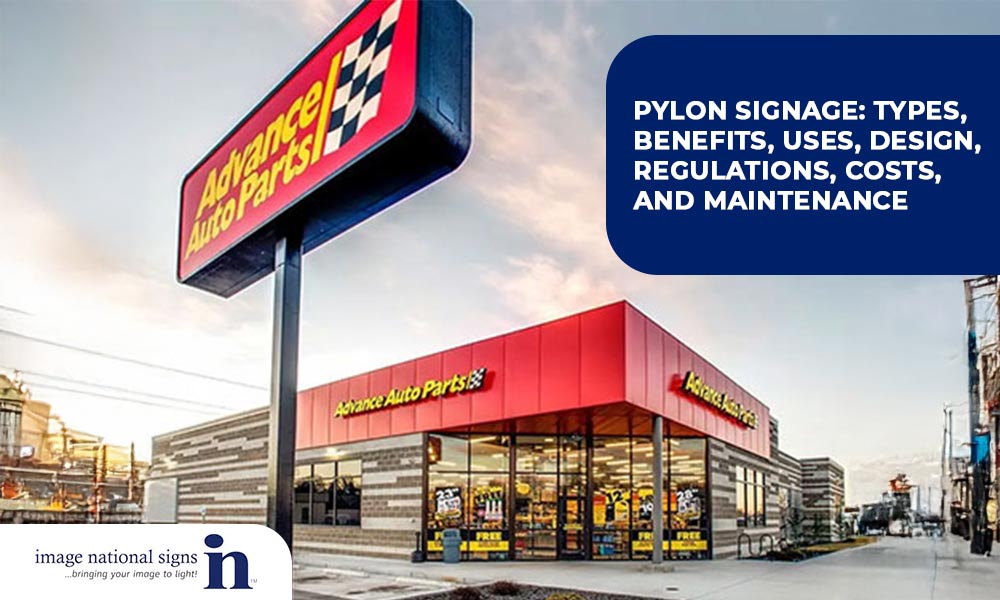
This comprehensive guide explores everything you need to know about pylon signage, from understanding the different types—including single-pole, twin-pole, covered-pole, illuminated, and digital LED variations—to identifying the key components that ensure structural integrity and long-term performance. You’ll discover the measurable business benefits of pylon signage, including proven increases in customer traffic, cost-effective multi-tenant solutions, and round-the-clock brand presence through strategic illumination.
We will walk you through critical design considerations such as visibility distance, brand consistency, material selection, and architectural compatibility, while addressing the regulatory landscape of permits, zoning restrictions, and structural engineering requirements. Cost guidance helps you budget realistically, with pylon signs typically ranging from $8,000 to $200,000+ depending on size, materials, and digital capabilities.
Whether you are comparing pylon signs to monument signs, evaluating digital versus traditional options, or planning for long-term maintenance and lifespan expectations of 10-15 years, this article provides the expert insights needed to make informed decisions. Learn how to choose the right pylon sign that maximizes visibility, reinforces your brand, and delivers substantial return on investment for years to come.
What is a Pylon Sign?
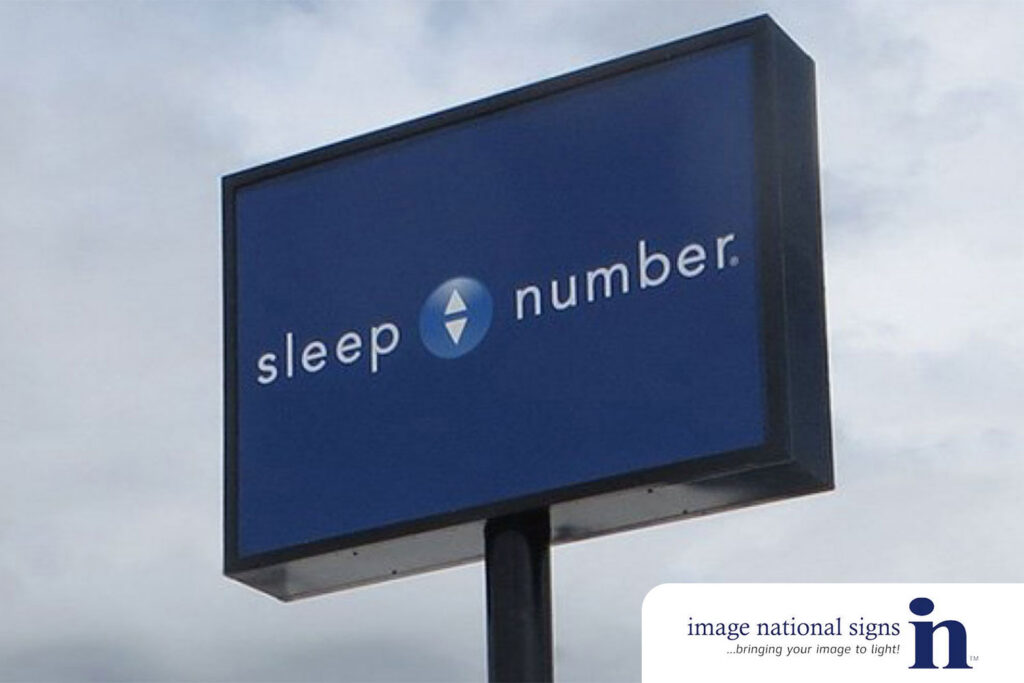
A pylon sign is a tall, freestanding outdoor structure supported by one or two poles that displays brand messaging high above ground level, making it visible from considerable distances along busy roadways. These signs can reach heights of up to 30 meters (approximately 100 feet), ensuring they remain visible even when obstructed by other objects. Pylon signs serve as prominent landmark identifiers that guide customers to shopping centers, gas stations, hotels, restaurants, and commercial establishments. The elevated design allows visibility over vehicles, buildings, and landscaping obstacles that might block ground-level signage, making them particularly effective along highways and major traffic corridors where drivers need advance notice to make safe lane changes.
Pylon signs are also referred to as freestanding signs, pole signs, road signs, highway signs, and totem signs, though they all describe the same basic elevated structure. Multi-tenant signs highlight their ability to display multiple businesses within a single structure, common at shopping centers and office parks. The variety of names reflects regional preferences and specific applications, but the fundamental purpose remains consistent across all terminology.
What are the Different Types of Pylon Signage?
There are several types of pylon signage, each designed to meet different structural, aesthetic, and visibility needs. The most common types are listed below.
Single-Pole Mount Pylon Signs
Single-pole mount pylon signs feature one central support column, creating a sleek and modern appearance while minimizing ground footprint. These signs typically stand up to 80 feet tall, with some reaching 100 feet, making them ideal for businesses that want high visibility near highways or high-rise areas while maintaining an economical design.
Twin-Pole Mount Pylon Signs
Twin-pole mount pylon signs use two support columns, providing greater rigidity and enhanced structural strength for larger sign faces. Many businesses also prefer the visual symmetry of a two-pole design, which offers improved stability for heavier or wider signage requirements.
Covered-Pole Pylon Signs
Covered-pole pylon signs incorporate decorative coverings that conceal the structural supports for a more polished appearance. Common materials include brick and mortar, aluminum, and stone, though custom fabrication options are available to match a business’s branding and architectural style.
Illuminated Pylon Signs
Illuminated pylon signs use internal or external lighting systems to ensure 24-hour visibility. Internally illuminated signs feature built-in lighting elements, such as LED panels, that provide consistent brightness and energy efficiency. Externally illuminated signs rely on strategically placed floodlights to illuminate the sign face.
Non-Illuminated Pylon Signs
Non-illuminated pylon signs rely on ambient daylight or nearby external lighting for visibility. While they offer lower installation and operating costs, they are less effective at night and are best suited for well-lit areas or businesses with limited operating hours.
Digital LED Pylon Signs
Digital LED pylon signs feature programmable electronic message centers capable of displaying dynamic content. These signs can showcase multiple messages, promotions, or real-time updates throughout the day. Content can be updated remotely using Wi-Fi or cellular connectivity, making them ideal for businesses that frequently change messaging.
What Are Key Components of a Pylon Sign?
A pylon sign is made up of several essential components that work together to ensure visibility, durability, and long-term performance. Below are the key elements of a typical pylon sign.
Sign Cabinet
The sign cabinet serves as the primary display surface where logos, text, and graphics are presented. It is typically constructed using aluminum frames with acrylic, polycarbonate, or metal faces. These materials protect internal components from weather exposure while maintaining a clean, professional appearance.
Support Poles
Support poles provide the structural foundation that elevates the sign cabinet to the desired height. The internal structural steel is painted separately from the exterior skins to prevent oxidation. These poles are commonly manufactured from steel pipes or rectangular steel tubes and are engineered to withstand wind loads and seismic forces.
Lighting Systems
Lighting systems illuminate the sign face using internal LED modules, fluorescent fixtures, or external spotlights. Modern pylon signs most often utilize LED lighting due to its long lifespan, energy efficiency, and consistent brightness compared to traditional lighting technologies.
Electrical Components
Electrical components include transformers, ballasts, wiring, and control systems that power illumination and digital displays. These elements are housed in weatherproof compartments and feature proper grounding and circuit protection to ensure safe and reliable operation.
Foundation and Mounting Hardware
The foundation and mounting hardware consist of concrete footings, anchor bolts, and attachment brackets that secure the sign to the ground. A properly engineered foundation—designed according to local soil conditions and weather requirements—is critical to the stability and longevity of a pylon sign.
Tenant Panels
Tenant panels are interchangeable display sections commonly found in multi-tenant pylon signs. They allow individual businesses to update their branding without impacting other tenants. These panels typically feature frame systems that make removal and replacement quick and efficient.
Digital Message Centers
Digital message centers include LED matrices, control computers, and communication systems that enable dynamic content display. With cellular data or Wi-Fi connectivity, businesses can update messages remotely from any location. These systems can also monitor performance and report daily operational status, making the sign a smart, connected device.
What are the Benefits of Pylon Signage for Your Business?
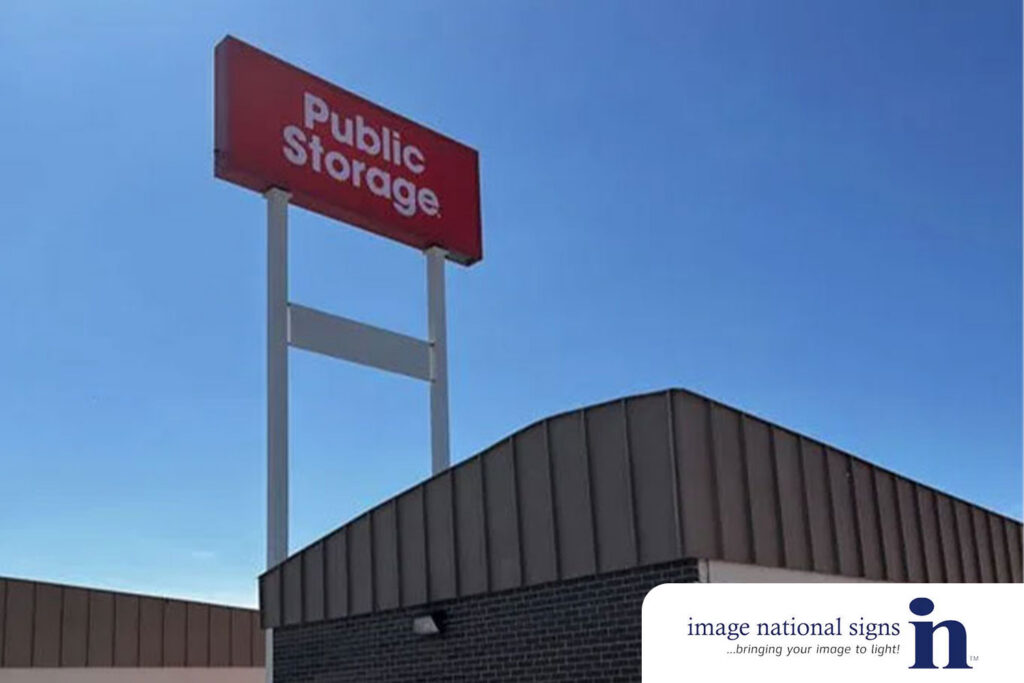
Pylon signage offers powerful visibility and branding advantages for businesses located in high-traffic areas. Below are some of the key benefits that make pylon signs a smart long-term investment.
Maximum Visibility in High-Traffic Areas
Pylon signs are designed to rise above visual clutter, especially in busy commercial corridors and along highways. Their height and size help guide both drivers and pedestrians to your location, ensuring your brand remains visible above vehicles, landscaping, and competing signage.
Cost-Effective Multi-Tenant Solutions
Multi-tenant properties can showcase multiple businesses within a single pylon structure, significantly reducing per-tenant costs. This shared signage approach creates a unified directory while making premium roadside visibility accessible to smaller businesses that may not require or afford standalone signs.
Proven Impact on Customer Traffic
Pylon signage has demonstrated measurable business impact. For example, a fast-food franchise reported a 35% increase in drive-thru traffic after installing a custom pylon sign near a major intersection. Similarly, a gas station that replaced a small roadside sign with a taller pylon structure experienced increased visibility and customer flow.
Dynamic Marketing Capabilities
Digital pylon signage allows businesses to update messaging in real time. Promotions, events, time and temperature displays, and seasonal offers can be adjusted quickly to keep content fresh and engaging. This flexibility enables businesses to respond rapidly to market trends and customer behavior.
Round-the-Clock Brand Presence
Illuminated pylon signs provide continuous visibility, extending your marketing reach beyond normal business hours. Even when your doors are closed, your brand remains on display, capturing the attention of evening commuters and late-night travelers.
Memorable Wayfinding and Navigation
Well-designed pylon signs serve as visual landmarks that simplify directions and navigation. Their prominent presence helps first-time visitors locate your business more easily, reducing confusion and enhancing the overall customer experience.
Common Uses of Pylon Signage
Pylon signage is widely used across industries where visibility, wayfinding, and brand recognition are essential. Below are some of the most common applications.
Shopping Centers and Retail Plazas
Shopping centers and retail plazas use multi-tenant pylon signs to advertise anchor stores and smaller retailers. These signs create hierarchical displays that help guide shoppers to specific destinations within large and often complex developments.
Hotels and Hospitality
Hotels and hospitality businesses rely on pylon signage to attract travelers, particularly those near highways and major roadways. High-rise pylon signs are especially effective for hotels, gas stations, and quick-service restaurants seeking to capture the attention of passing motorists.
Gas Stations and Convenience Stores
Gas stations and convenience stores use tall pylon signs to display fuel prices and brand logos that are visible from long distances. This visibility is critical for attracting impulse stops from drivers actively monitoring fuel levels.
Restaurants and Fast Food Chains
Restaurants and fast-food chains employ distinctive pylon sign designs to reinforce brand recognition and guide hungry travelers to exit ramps and service roads where their locations are situated.
Automotive Dealerships
Automotive dealerships use prominent pylon signs to showcase brand logos and promotional messaging. Large illuminated or digital pylon signs are commonly recommended, as they allow dealerships to rotate sales messages, promotions, and special offers.
Medical Centers and Hospitals
Medical centers and hospitals install pylon signage to support wayfinding across large campus environments. These signs often include directional information that helps patients and visitors easily locate buildings, entrances, and departments.
Corporate Campuses and Office Parks
Corporate campuses and office parks utilize professionally designed pylon signs to convey a polished corporate image while identifying building locations and tenant organizations within multi-building developments.
Design Considerations for Pylon Signage
Effective pylon signage requires thoughtful design to maximize visibility, reinforce branding, and ensure long-term performance. Below are the key design considerations to keep in mind.
Visibility Distance
Visibility distance determines the minimum letter height and overall sign face dimensions. Fonts, colors, and sizes should be chosen for easy readability from a distance, avoiding visual clutter to maintain clarity. As a general rule, characters require approximately one inch of letter height for every ten feet of viewing distance.
Brand Consistency
Pylon signage should align with established corporate identity standards, including approved colors, fonts, logos, and graphic treatments. Consistent branding across signage and other customer touchpoints reinforces recognition and builds trust.
Surrounding Environment
The surrounding environment plays a critical role in design decisions. Pylon signs should be proportionate to nearby structures and tall enough to maintain an unobstructed sightline, while still complying with local zoning and height regulations.
Architectural Compatibility
Architectural compatibility ensures the pylon sign complements building design, landscaping themes, and the overall character of the area. A cohesive design prevents visual conflict and enhances the professional appearance of the property.
Illumination Strategy
An effective illumination strategy balances visibility with energy efficiency and light pollution considerations. LED lighting is commonly used to ensure nighttime visibility, with options such as backlighting, front lighting, or a combination of both to achieve the desired visual effect.
Material Selection
Material selection involves balancing durability, appearance, and budget. Aluminum is lightweight and corrosion-resistant, steel provides superior strength and durability but may require additional maintenance, and acrylic is commonly used for sign faces and lettering.
Scalability and Future Needs
Designing for scalability helps accommodate future tenant changes, technology upgrades, or message updates. Modular panels, flexible mounting systems, and sufficient electrical capacity allow for easy expansion and long-term adaptability.
Regulations and Permits for Pylon Signage
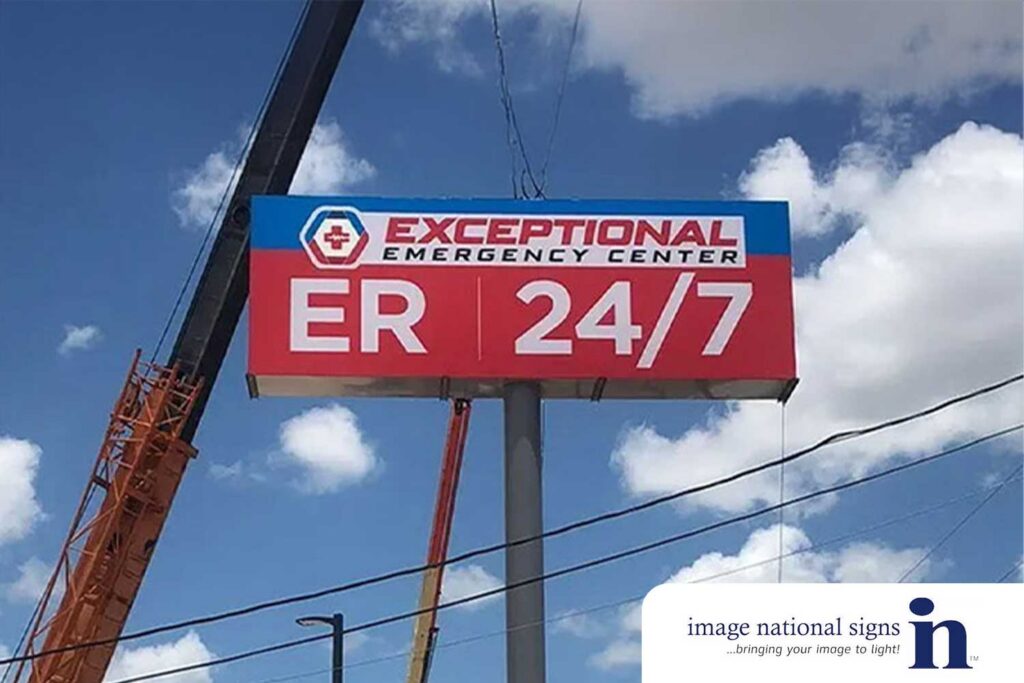
Pylon signage is subject to various local, state, and federal regulations to ensure safety, visibility, and community compatibility. Understanding these requirements is essential before installation.
Municipal Height and Size Restrictions
Most municipalities require permits for pylon signage that address height, lighting, and structural safety. Cities typically set maximum height limits ranging from 35 to 100 feet, depending on zoning districts. These restrictions vary based on location, proximity to residential areas, and local development codes.
Required Permit Types
In many jurisdictions, pylon signage requires approval through multiple permits, including a Sign Permit, Building Permit, and, in some cases, a Conditional Use Permit. Building permits often require structural engineering calculations, foundation designs, and electrical plans demonstrating compliance with wind load, seismic, electrical, and safety codes.
Historic District Guidelines
Historic districts frequently impose strict design guidelines to preserve neighborhood character. These regulations may limit or prohibit pylon signage altogether or require specific materials, colors, and architectural styles that blend with the historical environment.
Structural and Wind Load Engineering
Structural and wind load engineering is critical for pylon signage, particularly for high-rise installations. Signs must be designed to withstand extreme wind conditions and seismic activity, especially in regions prone to storms or earthquakes. This typically involves reinforced foundations, steel framing, and specialized mounting hardware that meet local building and safety codes.
Highway and Transportation Department Approvals
Signage located along state or federal roadways often requires approval from highway or transportation departments. These agencies evaluate traffic safety impacts, sightline obstructions, and driver visibility to ensure pylon signs do not create hazards or interfere with official road signage.
Environmental and Lighting Regulations
Environmental regulations address concerns related to light trespass and light pollution. Municipalities may require shielding, timers, dimming controls, or brightness limits to reduce excessive illumination, particularly near residential areas during nighttime hours.
Permit Cost Considerations
Permit costs typically range from $500 to $3,000, depending on local regulations, sign complexity, and the number of reviewing agencies involved. Additional expenses may apply for engineering reviews, variance hearings, or expedited permit processing.
How Much Does Pylon Signage Cost?
Pylon sign costs in 2026 range from $8,000 to $200,000+. Small signs (under 10 feet) cost $5,000-$10,000, medium signs (10-20 feet) cost $10,000-$20,000, and large signs (20-30+ feet) cost $20,000-$50,000+, with digital displays and site conditions significantly affecting final prices.
How to Choose the Right Pylon Sign?
To choose the right pylon sign requires balancing visibility, design, budget, and regulatory considerations. Use the following factors to guide your decision.
Assess Your Visibility Needs
Measure the distances from which drivers and pedestrians must be able to identify your location. Consider traffic speeds, road layouts, and competing visual elements that affect sightlines and recognition time.
Determine Tenant Requirements
Decide whether the sign will serve a single business or multiple tenants. For multi-tenant applications, plan sufficient sign face area for each occupant while maintaining a clear hierarchy that reflects business prominence.
Evaluate Budget Constraints
Consider your budget realistically. Pylon signs typically start around $10,000, but the return on investment can be substantial. Increased visibility often leads to higher foot traffic, stronger brand recall, and improved revenue over time.
Research Local Regulations
Thoroughly review local regulations before beginning the design process. Municipal rules governing sign height, size, lighting, and permitting vary widely, and early compliance helps avoid costly redesigns or delays.
Consider Future Flexibility
Choose modular designs that allow for future changes. Pylon signs with interchangeable tenant panels are ideal for shopping plazas and corporate parks, making updates and expansions easier over time.
Match the Architectural Context
Ensure the pylon sign complements the surrounding architecture, landscaping, and neighborhood aesthetics. A cohesive design enhances visual appeal and community acceptance.
Analyze Traffic Patterns
Study traffic flow, approach speeds, viewing angles, and driver attention patterns. These factors influence optimal sign placement, height, and the amount of information displayed.
Choose the Appropriate Technology
Select the right technology based on how often your messaging will change. Static signs are ideal for stable branding, while digital pylon signs are better suited for businesses that promote frequent offers or time-sensitive information.
Maintenance and Lifespan of Pylon Signage
Proper maintenance plays a critical role in maximizing the lifespan and performance of pylon signage. Below are the key factors that influence durability, upkeep, and long-term value.
Expected Overall Lifespan
With proper materials and installation, you can expect 10 to 15 years of reliable visibility, though individual components have varying service lives demanding periodic attention. Thanks to high-quality materials and careful construction, pylon signs can last up to a decade or longer with proper maintenance, with some polyester powder coat finishes lasting up to 15 years with minimal chipping or fading.
Lighting Component Longevity
LED modules offer extended operational life before brightness degradation necessitates replacement, while fluorescent lamps last 2-3 years. The shift to LED technology has significantly reduced maintenance frequency and long-term operating costs compared to traditional lighting systems.
Face Material Durability
Face materials endure 10-20 years depending on sun exposure and climate severity—acrylic faces may yellow or crack while polycarbonate alternatives offer superior impact resistance and UV stability. Choosing the right face material for your climate can extend service life considerably.
Regular Maintenance Schedule
Regular cleaning, annual lighting checks, electrical inspections every two years, and structural assessments after extreme weather keep your sign performing well. Adhering to a consistent maintenance schedule prevents minor issues from becoming costly repairs.
Proper Cleaning Techniques
Use a mild detergent and a soft cloth or sponge to gently clean the sign’s surface, avoiding abrasive materials and harsh chemicals that could damage the finish. Regular cleaning can greatly improve the lifespan of your pylon sign by preventing buildup that can degrade materials over time.
Foundation Monitoring
Foundation integrity demands monitoring for settling, cracking, or shifting that might indicate structural problems. Ground movement, soil erosion, or water damage can compromise stability and should be addressed immediately by qualified professionals.
Digital Display Maintenance
Digital displays need software updates and module replacements every 3-5 years as technology evolves. Keeping digital components current ensures compatibility, security, and optimal performance of programmable message features.
Professional Installation Importance
Professional installation ensures that your sign is installed correctly to avoid premature wear and tear. Proper installation from the start minimizes future maintenance needs and maximizes return on your signage investment.
What is the Difference Between a Pylon and Monument Sign?
While both pylon and monument signs serve as effective outdoor signage solutions, they differ significantly in height, visibility, design, and usage. Below is a clear breakdown of the key differences.
Height Distinction
Height is the most noticeable difference between the two sign types. Monument signs are ground-level and typically eye-height, averaging around 5 feet tall, with larger versions reaching 8 to 12 feet. In contrast, pylon signs are much taller, generally starting at 20 feet and reaching up to 100 feet, especially when placed near highways.
Visibility Range
Pylon signs are designed for long-distance visibility along highways and major roads, while monument signs are intended for close-range viewing. Because monument signs require viewers to be closer to read them, they work best at building entrances. Pylon signs, on the other hand, are more effective when placed near streets or roadways where visibility from a distance is critical.
Structural Design
The structural design of each sign type differs significantly. Monument signs are freestanding structures built at ground level, often using materials such as brick, stone, or concrete. Pylon signs are elevated and supported by one or two steel poles, allowing for greater height and visibility.
Aesthetic Character
Monument signs are often considered more upscale and architecturally integrated. They can serve as visually appealing, custom-designed elements that reinforce branding and create positive first impressions. Pylon signs, by contrast, prioritize visibility and functionality over architectural integration.
Zoning Acceptance
Zoning regulations tend to favor monument signs in residential-adjacent areas and historic districts due to their lower profile and visual subtlety. Businesses located near housing or within strict zoning areas may find monument signs easier to approve, while pylon signs often face more regulatory scrutiny.
Cost Comparison
Costs vary based on size, materials, and design complexity. Generally, a pylon sign can cost up to twice as much as a monument sign of comparable size. Monument signs often require expensive masonry bases, while pylon signs involve additional structural engineering due to their height.
Installation Complexity
Pylon sign installation typically requires cranes, heavy equipment, and detailed wind-load engineering. Monument signs, while less complex structurally, require careful coordination of masonry work and landscaping integration.
Similarities of Monument and Pylon Signs

Although monument and pylon signs differ in height and visibility range, they share many core characteristics that make both effective long-term signage solutions.
Permanent Freestanding Identification
Both monument and pylon signs function as permanent, freestanding exterior identification structures. They mark business locations and guide customers without requiring attachment to buildings or other support systems.
Flexible Tenant Configurations
Both sign types can be designed for single businesses or multiple tenants, making them suitable for standalone retail locations as well as shared commercial properties such as shopping centers and office parks.
Complete Customization Options
Monument and pylon signs offer full customization in terms of color, shape, materials, and branding elements. Businesses can incorporate logos, channel letters, and LED displays to enhance visual appeal and functionality.
Illumination Capabilities
Both signs can be illuminated to ensure nighttime visibility and extended marketing effectiveness. Each utilizes similar LED technology, transformers, electrical infrastructure, and control systems to deliver consistent brightness and energy efficiency.
Durability and Weather Resistance
Both monument and pylon signs are engineered for durability and weather resistance. They are designed to withstand harsh outdoor conditions, including wind, rain, snow, and temperature extremes, ensuring reliable long-term performance.
Identical Material and Face Options
Both sign types use similar face materials, including aluminum cabinets, acrylic panels, vinyl graphics, and dimensional lettering. The design and fabrication processes also follow parallel workflows involving branding integration, material selection, engineering calculations, and production specifications.
Similar Maintenance Requirements
Maintenance needs for monument and pylon signs are largely the same. Routine tasks include cleaning, lighting replacement, electrical servicing, structural inspections, and weatherproofing to maintain appearance and functionality.
Comparable Permitting Processes
Both monument and pylon signs typically require zoning approval, building permits, and compliance verification. Municipalities evaluate each using similar criteria related to safety, aesthetics, and community impact.
Property Value Enhancement
Both signage types enhance property value by improving visibility, strengthening branding, and driving customer traffic. When properly designed, positioned, and maintained, they represent long-term investments in business success and property appeal.
- Pylon Signage: Types, Benefits, Uses, Design, Regulations, Costs, and Maintenance
- What is a Pylon Sign?
- What are the Different Types of Pylon Signage?
- What Are Key Components of a Pylon Sign?
- What are the Benefits of Pylon Signage for Your Business?
- Common Uses of Pylon Signage
- Design Considerations for Pylon Signage
- Regulations and Permits for Pylon Signage
- How Much Does Pylon Signage Cost?
- How to Choose the Right Pylon Sign?
- Maintenance and Lifespan of Pylon Signage
- What is the Difference Between a Pylon and Monument Sign?
- Similarities of Monument and Pylon Signs